
Introduction
When buying a new device for work, study, or entertainment, many people face the same question: Should I buy a tablet or a laptop? Both devices are popular and useful, but they serve slightly different purposes.
Tablets are known for their portability, touchscreens, and simplicity, while laptops are famous for powerful performance and multitasking abilities. Choosing between the two depends largely on your needs, budget, and the type of work you plan to do.
In this blog, we will compare tablets vs laptops, discuss their advantages and disadvantages, and help you decide which device is best for you
What Is a Tablet?
A tablet is a portable touchscreen device that functions like a larger smartphone. It runs mobile operating systems such as Android or iPadOS and is mainly controlled through touch gestures.
Tablets are lightweight and easy to carry, making them popular for reading, watching videos, browsing the internet, and casual tasks.
Common Features of Tablets
- Touchscreen display
- Lightweight and compact design
- Long battery life
- Access to mobile apps
- Optional stylus or detachable keyboard
Tablets are ideal for users who prefer simplicity and portability.
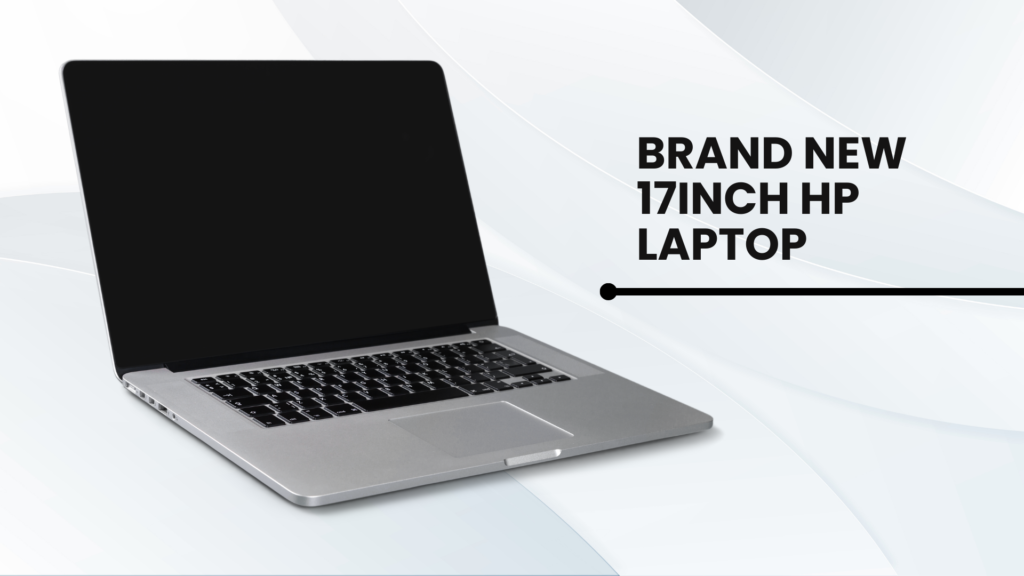
What Is a Laptop?
A laptop is a portable computer designed for productivity and heavy computing tasks. It includes a built-in keyboard, trackpad, and powerful hardware capable of running full desktop software.
Laptops are widely used by students, professionals, programmers, designers, and gamers.
Common Features of Laptops
- Physical keyboard and large screen
- High processing power
- Large storage capacity
- Ability to run complex software
- Multiple ports for external devices
Because of their performance capabilities, laptops can handle multitasking and demanding applications much better than tablets.
Key Differences Between Tablets and Laptops
1. Performance and Power
One of the biggest differences between tablets and laptops is processing power.
Laptops are built with stronger processors and more RAM, allowing them to run heavy applications such as video editing software, programming tools, and design programs. Tablets are usually optimized for lighter tasks like browsing, streaming, and using mobile apps.
Winner: Laptop
If you need high performance and multitasking, a laptop is the better choice.
2. Portability
Tablets are significantly lighter and thinner than laptops. Many tablets weigh less than 500 grams, making them easy to carry in small bags or backpacks.
Laptops are still portable but usually weigh between 1–2 kg depending on the model.
Winner: Tablet
If portability and travel convenience are important, tablets are the better option.
3. Battery Life
Tablets generally have better battery efficiency because they use mobile processors that consume less power. Many tablets can last 10–12 hours or more on a single charge.
Laptops typically last around 6–10 hours, although newer models are improving in this area.
Winner: Tablet
Tablets are ideal for all-day usage without frequent charging.
4. Productivity and Multitasking
Laptops are better for productivity tasks such as writing long documents, coding, editing videos, or working with spreadsheets.
They also support full desktop software and allow users to connect external monitors, keyboards, and storage devices.
Tablets can handle basic productivity tasks, especially when paired with a keyboard, but they may struggle with complex applications.
Winner: Laptop
For serious work and multitasking, laptops perform much better.
5. Touchscreen and Creativity
Tablets are designed around touchscreens and stylus support, making them great for activities like:
- Drawing and digital art
- Taking handwritten notes
- Reading ebooks
- Watching videos
Their touch interface makes navigation simple and intuitive.
Winner: Tablet
For creative tasks and casual use, tablets provide a better experience.
Pros and Cons of Tablets
Advantages
- Lightweight and portable
- Longer battery life
- Touchscreen and stylus support
- Easy to use
- Usually more affordable
Disadvantages
- Limited multitasking
- Less powerful hardware
- Limited software support for professional applications
Pros and Cons of Laptops
Advantages
- Powerful performance
- Better multitasking
- Full desktop software support
- More storage and upgrade options
Disadvantages
- Heavier and bulkier
- Shorter battery life compared to tablets
- Often more expensive
Which Device Should You Choose?
The right device depends on how you plan to use it.
Choose a Tablet If:
- You want a lightweight and portable device
- You mainly watch videos, read, or browse the internet
- You prefer touchscreen interaction
- You need a device for note-taking or drawing
Choose a Laptop If:
- You need a device for school or office work
- You use professional software or programming tools
- You need strong multitasking and performance
- You plan to use the device for several years
Many people today also choose 2-in-1 laptops, which combine tablet and laptop features in one device.
Conclusion
Both tablets and laptops are powerful devices, but they serve different purposes. Tablets are best for portability, entertainment, and simple tasks, while laptops are designed for productivity, multitasking, and professional work.
Before making a decision, consider your daily tasks, budget, and long-term needs. If your main goal is convenience and portability, a tablet may be enough. However, if you need performance and flexibility, a laptop is usually the better investment.
Ultimately, the best device is the one that matches your lifestyle and work requirements.